On view: September 28-December 2
Opening reception: Friday, Sept. 28, 6-8 pm
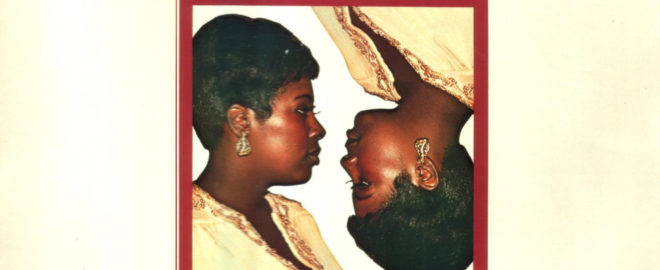
“Give a Damn,” a title taken from the 1970 Staple Singers song, is the culmination of a year-long examination of Stax Records’ commitment to political activism, community engagement, and social justice in the years following Dr. King’s 1968 assassination in Memphis.
This exhibition is presented by The Stax Museum of American Soul Music and hosted at Crosstown Arts. It features never-before-seen artifacts including Isaac Hayes’ 14-foot long custom-made office desk, stage clothing worn by Johnnie Taylor and Isaac Hayes, rare photos and documents, short films, music, and original artwork contributed by Shelby County students.
Historical background:
For the musicians and staff of Stax Records, the 1968 assassination of Dr. Martin Luther King, Jr. proved to be a catalyst for change. While never explicitly told to keep politics out of the studio, most Stax artists kept their political preferences to themselves, or simply chose not to engage. The death of Dr. King, though, literally put the struggle for freedom at the front door of Stax Records and made it difficult for those working within to ignore.
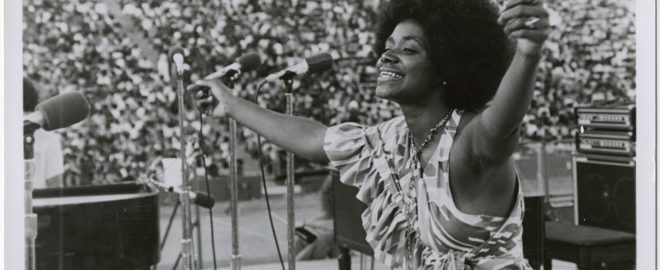
The transformation began overnight, with Stax artists Isaac Hayes and Rufus Thomas thrown into the role of peacekeepers during the unrest that followed Dr. King’s death. The era peaked at 1972’s Wattstax Festival, where Stax gave an all-day concert for more than 112,000 people in support of the community the wake of the Watts Rebellion, and lasted until the studio’s doors closed in December 1975.
Stax artists increased their participation in civic causes, initiated relationships with politicians and activists, adjusted their sound and look to align with both a growing counterculture and black consciousness movement, and became community leaders, empowered by their success and support from label owner, Al Bell. Simply put, Stax Records began to “give a damn.”